Nature
How is nature linked with carbon emissions?
Biodiversity is all plant and animal life. Climate change is accelerating biodiversity loss via shifts in weather patterns such as extreme weather events. Plants capture and store (sequester) carbon; therefore, this degradation is releasing carbon and other greenhouse gases into the atmosphere, accelerating climate change. In terms of animal life, the loss of plant life means loss of habitats, therefore, loss of animal life which releases carbon too.
Climate change and the biodiversity crisis are intertwined. Biodiversity is important in decarbonisation efforts as maintaining a good biodiversity helps carbon sequestration.Nature-based solutions protect and restore biodiversity which enhances carbon capture so helps the climate change crisis.
Within the borough of Cheshire East, tree planting has been completed at many sites. For more information, use the link to view our map. Cheshire East Tree Planting and Carbon Projects Map 2025 | Insight Cheshire East
On a local scale there are many ways in which you can help to maximise carbon sequestration in the borough.
Volunteer with community groups
Check your local area for community and volunteer groups. Get involved in nature within your local area!
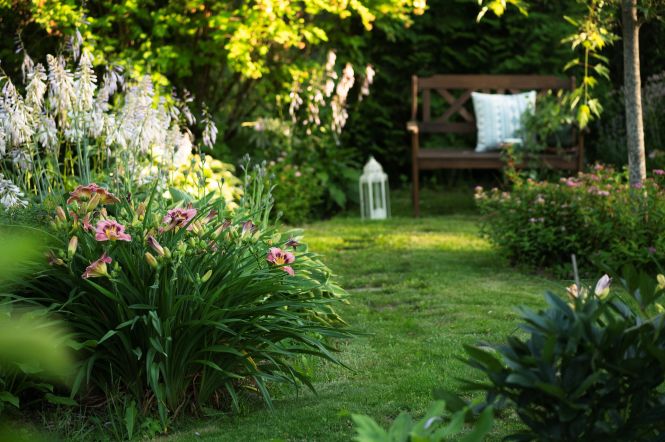
Enhance pollination
 Pollinators (bees, butterflies, beetles etc.) are important within our ecosystems. By planting a variety of wildflowers this provides pollinators with sources of nectar.
How To Increase Biodiversity In Your Garden - Woodland Trust - Woodland Trust
Saving our pollinators, protecting our food – UKRI
Plant native vegetation
Native vegetation, especially trees, can act as a carbon sink, absorbing carbon from the atmosphere and storing it in their roots.
Preventing the spread of invasive plants from your garden – Environment
Minimise use of pesticides
Pesticides not only have negative impacts upon human health but also on the environment. Pesticides are derived from fossil fuels therefore contribute to greenhouse gas emissions.
Chemical-free organic gardening | The Wildlife Trusts
Use soils without peat
Peat is important in carbon sequestration; by using peat-free soil, this helps to preserve the peatlands.
Going peat free | Gardening tips | National Trust
Page last reviewed: 23 October 2026
Thank you for your feedback.