Cheshire Archives celebrates ‘Made in Cheshire’ discoveries following Cheshire Day
31 March 2026
Following on from Cheshire Day – an annual celebration on 30 March which takes the opportunity to appreciate and celebrate the county's contributions to history, industry, and culture, the council is shining spotlight on everything ‘Made in Cheshire’ brought to light from the Cheshire Archives.
The date commemorates the day in 1300 when King Edward I granted the county its Charter of Liberties - in effect its own Magna Carta.
The county’s archive service has chosen a selection of items from its collection that show the variety of products historically manufactured across the county - some well-known, others more unexpected. From cleaning goods to Calpol, more was 'Made in Cheshire' and specifically Cheshire East than people might realise.
1. Congleton – Berisfords’ Ribbons
Congleton is home to one of Cheshire’s longest-standing ribbon manufacturers Berisfords Ltd., a constant in the textile industry since 1858, surviving global competition, two world wars and major shifts in manufacturing.
Founded by Charles Berisford and later carried through generations of the Berisford and Sebire families, the company grew from Victoria Mill, on Foundry Bank, Congleton to an international manufacturer with offices across the UK.
The entrance to the Lion & Swan Hotel in Congleton, incorporated in a seal, formed part of the trademark of Berisfords’ Wearwell “Tested by Time” ribbons for many years.
2. Bollington – Sculptor Alfred Gatley
Cheshire isn’t just known for what it has manufactured - its creative talent is an important part of what’s proudly been Made in Cheshire as well.
We’re highlighting Bollington’s artistic heritage through Alfred Gatley, born at Spring Cottage, Kerridge, in 1816. Growing up beside his family’s quarries, Gatley developed an early talent for sculpture and later built a successful career working in marble in Rome, where he spent much of his life and where he died in 1863.
One of his most recognised works is Echo (1850-1853). Gatley created at least three versions for different clients - one is currently held at Gawsworth Hall.
3. Nantwich – boot and shoe manufacturing
Nantwich was once known for producing tough work‑boots and later fashionable shoes that travelled far beyond the county. From the 16th to 19th centuries, local shoemakers supplied sturdy footwear to Lancashire mill towns, and by 1790 their products were being sold in Manchester and London.
This document is the inventory attached to the will of William Hayles, a Nantwich shoemaker. It gives an idea of how the early ‘putting out’ system worked, where merchants commissioned designs, took orders, and distributed materials to families who made shoes in their homes. Leather was cut into strips, stitched into uppers and soles, trimmed, polished, and returned to the merchant ready for market.
By the 1820s, small factories began to appear in the town, including Leonard Gilbert’s on Market Street, followed later by larger manufacturers. Traditional craft methods gradually disappeared with the arrival of powered machinery in the 1890s, and by the 1930s Nantwich’s shoe trade had largely declined.
4. Sandbach – brushes and soap
Wheelock, near Sandbach was home to Zan Ltd, a long‑established local manufacturer once known for producing “everything for cleaning and disinfection.”
The story began in 1919, when Wheelock Mill was purchased by two brothers who founded Hovet and Lowther, the company that would later become Zan Ltd.
Their range included yard brushes, soap, polish, disinfectants and even aluminium goods. Among their more unusual products was phosphoric acid, much of it exported to the USA during Prohibition, where it was used in the manufacture of soft fizzy drinks.
5. Crewe – the original home of Calpol
Crewe, once home to the Calmic Group of Companies. Calmic (a short version of Cheshire and Lancashire Medical Industries Corporation) moved to Crewe Hall from Lancashire in 1947.
It manufactured a wide range of pharmaceutical products, including the go-to medicine for parents across the country – Calpol! Children’s medicine Calpol was invented by Calmic in 1959, turning bitter medicine into a sweet syrup that soon became a household name.
Calmic’s engineering division also created specialist mixing and filtration equipment used across the pharmaceutical and food industries. The manufacturing of pharmaceuticals at Crewe Hall ended in 1995 - it is now a hotel.
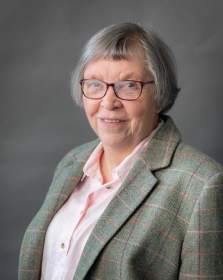 Councillor Jill Rhodes, Cheshire East Council’s committee chair for adults and health, said: “Cheshire has such a rich manufacturing tradition, so it’s so fascinating to discover new stories of Cheshire’s past and how our archive service has been able to collate such a diverse collection of historic images and stories of our past.”
Later this year, two new archive centres will open in Chester and Crewe in the autumn to provide new state of the art facilities for the public to find their story and discover untold stories of Cheshire’s people and places.
Construction of the two new archive centres has been made possible thanks to National Lottery players through The National Lottery Heritage Fund and the Wolfson Foundation, an independent charity with a focus on research and education.